
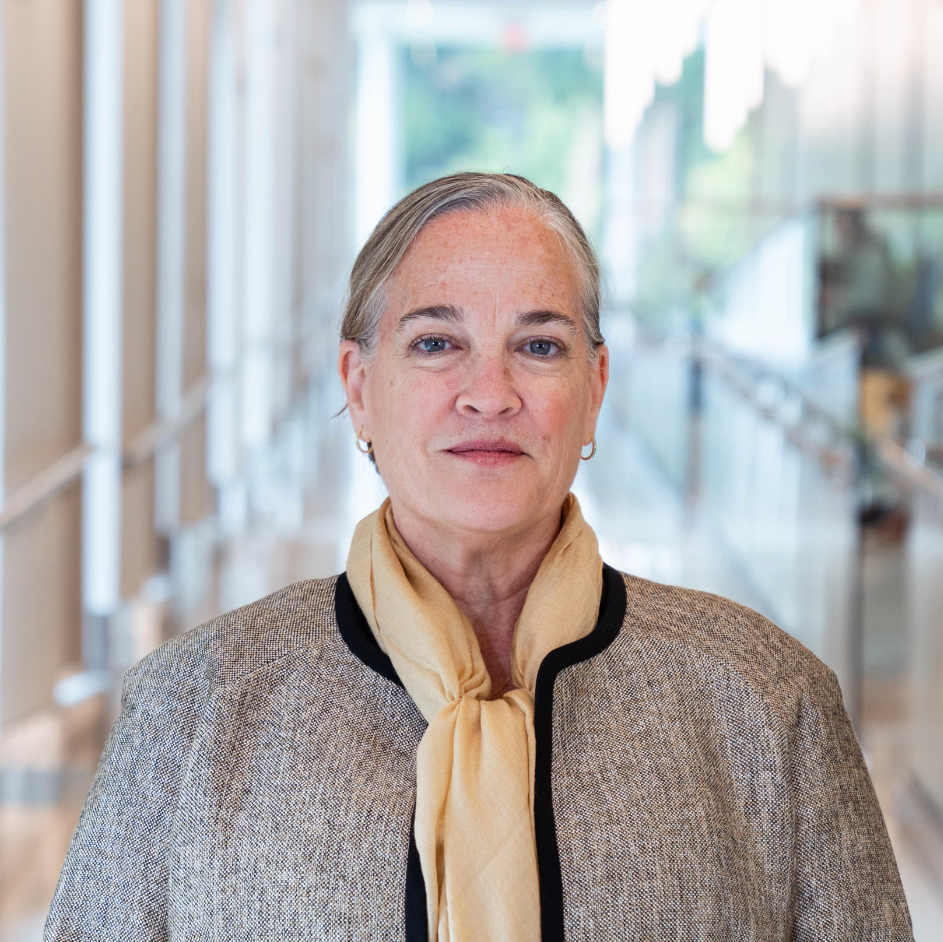
We are grateful to join this issue of The Calculated Career and to connect with the Math community. Our professional paths have taken us through different disciplines, nonprofit leadership, academic research, teaching, and university administration. These varied experiences shape our values and how we approach graduate education. We have seen that success in graduate school rests not only on strong disciplinary knowledge, but also on the relationships, resources, and resiliencies that enable students to move through their programs with clarity and confidence. In The Graduate School, we use the idea of Graduate Pathways as a framework for graduate student development. It is not a simple to-do list, but rather a way of foregrounding how goals, scholarly training, professional development, and community interrelate. In practice, this can mean taking time to set and revisit goals, seeking mentors within and beyond your program and UMD, engaging with your field through seminars and professional societies, recognizing the many places where your skills and methods are applied, and practicing how to carry your graduate training into a range of academic and professional roles. Research on graduate education shows that students benefit when their programs help them understand the milestones ahead, connect with the people and resources that matter, and build habits that support steady progress over time. A large-scale survey of graduate students conducted by Nature in 2025 highlighted that students who experience supervision and mentoring as supportive and respectful are more likely to report wellbeing and achievement in their programs. Wellbeing and academic success often reinforce each other. When students feel supported, connected to their programs and fields, recognize steady progress in coursework or research, and understand the purpose behind their work, they are better positioned to sustain momentum and shape a career path aligned with their goals and interests. The Graduate School offers programs and resources that reflect this philosophy and are available throughout your time at UMD. These include workshops to reflect on goals, explore career directions, strengthen writing and oral communication, and connect with mentors and peers. We encourage you to explore these opportunities and to choose at least one action this semester that supports your growth — whether meeting with a mentor, attending a workshop, or mapping how your current work connects to the future you are shaping. Graduate School Resources: • The Graduate School’s Career and Professional Development Events Calendar |






 |
English Editing for International Graduate Students (EEIGS) ProgramNeed help polishing your academic writing in English? The English Editing for International Graduate Students (EEIGS) program offers free, virtual English editing for required academic writing by international graduate students at the University of Maryland.
Open to currently enrolled international graduate students at UMD. EEIGS is here to support you every step of the way. Request Editing Help Learn More 📍 Virtual, asynchronous service |